Our Team & Co-Creators
The Diverse Disability User Committee is not a symbolic focus group or a passive advisory board. They are an operational governing body embedded directly into the AI's development, holding absolute veto power over design, protocols, and data practices.
Architects of Inclusive Futures
This committee represents the profound recognition that the Deaf community are the absolute experts, and the "primary knowers," of their own bodies, barriers, and communication needs. Their lived experience is not anecdotal—it is highly specialized domain expertise and high-value clinical data.
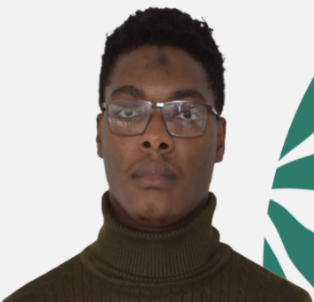
Ggaliwango Marvin
Lead Engineer
Ggaliwango Marvin
Lead Engineer | Global Scholar
Ggaliwango Marvin is disability and common wealth scholar, He is also Machine Learning and Intelligent Systems Engineer whose core works focus on Autonomous Systems and Responsible Software Systems in the Tech-Industry. He is an AI Researcher, Principal Investigator and Technical Led of various studies focused on Machine Learning, Artificial Intelligence, Generative AI, Quantum Computing, Autonomous Systems, Responsible Software Systems, High Performance Computing, Digital Security, Digital Health and Digital Education at Makerere University.
He is a Digital Education practitioner at the Mastercard foundation Digital Education practitioner's network and Technical Research-Led for creating AI supported Assistive technologies in Uganda. He is a PhD Research Exchange fellow at Paul G. Allen School of Computer Science & Engineering (University of Washington), holds a MSc in Digital Education (The University of Edinburgh), MSc in Computer Science and Engineering (BRAC University), MSc Disability Rights and Inclusion (Cdt at University of Leeds) and BSc (Hons) in Computer Science.
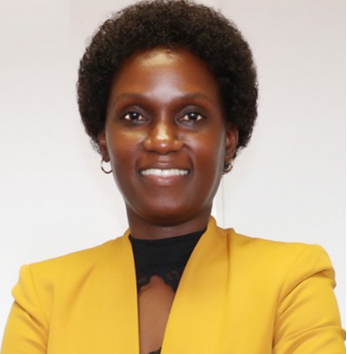
Prof. Josephine Nabukenya
Co-Investigator
Prof. Josephine Nabukenya
Co-Investigator | University of San Diego Online Degrees
Professor Josephine Nabukenya is a distinguished Health Informatics and Information Systems scholar and educator with 19 years of research, teaching, and digital health leadership. She founded and chairs Makerere University's Health Informatics Research Group and shaped Uganda's digital health ecosystem. She was part of the 10-person team that developed and implemented Uganda's eHealth Policy and Strategy with the Ministry of Health.
Prof. Nabukenya sits on the Health Data Collaborative's Digital Health and Interoperability Group, Uganda Health Information and Research (HIRE/eHealth) Technical Working Group, and DHALP Advisory Steering Committee. She led Makerere University's MSc and PhD Health Informatics programs and supported regional programs and the WHO-AFRO & ITU Digital Health curriculum for African Ministries of Health Managers. She studies digital health standards, enterprise architecture, eRegistries, electronic data sharing platforms, and digital health intervention performance evaluation frameworks to improve health systems.
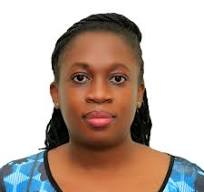
Dr. Mercy Rebekah Amiyo
Co-Investigator
Dr. Mercy Rebekah Amiyo
Co-Investigator | Makerere University
Dr. Mercy Amiyo teaches information systems at Makerere University's College of Computing and Information Sciences. Her degrees are PhD in Information Systems, MSc in Internet and Database Systems, and BSc in Computer Science. For over a decade, she has advanced East African informatics education through pedagogy, curriculum development, and academic quality assurance.
Decision Enhancement Systems and Business Process Agility guide her research on intelligent system integration for data-driven decision-making in complex organizational settings. Her research interests include AI-driven business process modeling, intelligent agents, and adaptive workflows improve enterprise and healthcare responsiveness and efficiency. She improved digital health architectures, automated routine decision points, and aligned system design with strategic health objectives on multiple health and information systems projects as a senior system and business process analyst. Her health and medical informatics research improve clinical decision support and healthcare service delivery in resource-constrained settings using intelligent data integration, real-time analytics, and knowledge-based systems.
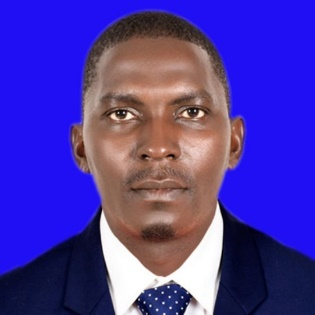
Dr. Nasser Kimbugwe
Co-Investigator
Dr. Nasser Kimbugwe
Co-Investigator | Makerere University
Dr. Nasser Kimbugwe is a lecturer in the Department of Networks, College of computing and Information Sciences (CoCIS) Makerere University, Uganda. He holds a PhD in computer Science and IT from Xiangtan University. He has a Master's degree in Data Communication and Software Engineering from Makerere University, and a first-class Bachelors degree in computer Science from Makerere University.
His research interests span Artificial Intelligence, Machine and Deep Learning, Cloud Computing, and the Internet of Things, Software Engineering and Computer networks and Data communication. Dr. Kimbugwe has contributed to various academic and industry-focused projects, particularly in assistive digital technologies and their applications in education and communication.
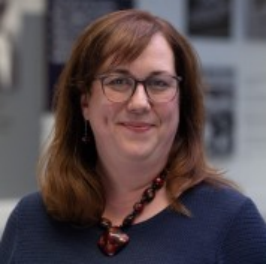
Prof. Hannah Morgan
Co-Investigator
Prof. Hannah Morgan
Co-Investigator | University of Leeds
Professor Hannah Morgan is a distinguished academic at the University of Leeds, currently serving as a Professor of Disability Studies and the Deputy Head of the School of Sociology and Social Policy. A leading expert in disability politics and rights, she brings over two decades of research experience in inclusive pedagogy and social policy to the Sign Language for Triage.
As an international collaborator, Professor Morgan specializes in "disability futures" and the removal of systemic barriers to healthcare. Her work is pivotal in ensuring that frameworks for healthcare screening and diagnostics are not only clinically sound but also socio-politically inclusive. By centering the lived experiences of the Deaf community, she ensures that sign language integration is treated as a fundamental right in medical settings. Her leadership in the MSc in Disability Studies, Rights and Inclusion reinforces her commitment to developing equitable, accessible diagnostic systems that empower diverse patient populations globally.
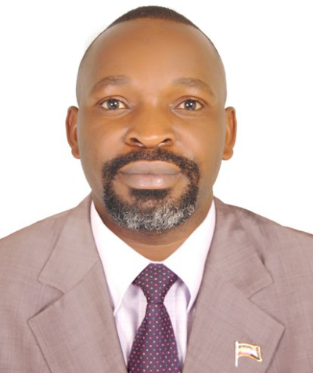
Tibakanya Joseph
Co-Investigator
Tibakanya Joseph
Co-Investigator | NCDC / Google PhD Fellow
Tibakanya Joseph, a Curriculum Specialist-ICT at the National Curriculum Development Centre (NCDC) and a Google PhD Fellow in Computer Science, is an accomplished Digital Education practitioner, teacher and AI researcher specialising in conversational AI for Education. His fellowship, a testament to his innovative work, provides unparalleled access to Google's cutting-edge resources, mentorship, and global expertise, empowering him to pioneer transformative AI solutions for Education.
Having a great deal of knowledge in ICT integration in education, curriculum development, teacher capacity-building, and educational technology, I have effectively guided projects to improve digital literacy and competency-based learning. Closing the digital gap in education and arming teachers with useful ICT tools to improve the results of their instruction excite me. Utilising research and consultation, I want to propel creative, scalable ideas of digital assistive technologies for health education and service deliver in Uganda and the surrounding countries.
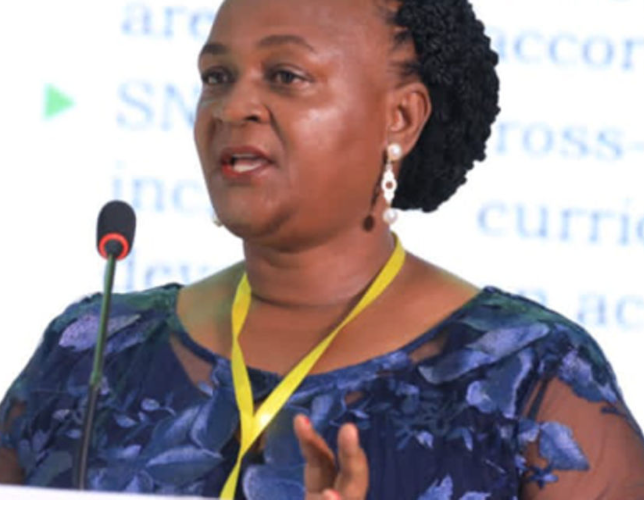
Generous Kazinda
Co-Investigator
Generous Kazinda
Co-Investigator | NCDC
Generous Kazinda is a distinguished Special Needs Education Specialist at Uganda's National Curriculum Development Centre (NCDC), where she spearheads the creation of inclusive learning frameworks. With an unwavering commitment to educational equity, she plays a pivotal role in developing specialized curricula, including the recent introduction of General Science for learners with special needs.
Ms. Kazinda is a leading advocate for the integration of Ugandan Sign Language (UgSL) within the national education system. Her work focuses on bridging communication gaps by ensuring that instructional materials are accessible to deaf and hard-of-hearing learners. Through strategic partnerships with organizations like the Kentalis International Foundation, she has been instrumental in training educators to use digital tools tailored for deaf students. Her expertise continues to shape a more inclusive future, ensuring that every child, regardless of ability, has the language and tools to thrive.
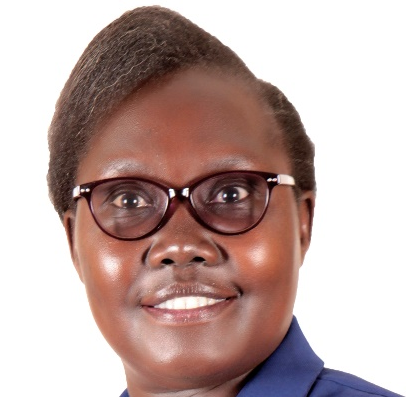
Dr. Odongkara Beatrice Mpora
Co-Investigator
Dr. Odongkara Beatrice Mpora
Co-Investigator | Gulu University
Dr. Odongkara Beatrice Mpora is a distinguished medical academic and diagnostics expert at Gulu University, where she serves as a Senior Lecturer and Head of the Department of Paediatrics and Child Health. With over 20 years of clinical experience, she is a leading specialist in Paediatric Endocrinology, holding a PhD from the University of Bergen and Makerere University.
Dr. Mpora's expertise is central to advancing diagnostic triage, particularly in bridging communication gaps for underserved populations. Her work focuses on precision in clinical assessments, integrating specialized care for dermatological manifestations of systemic endocrine disorders. A champion for inclusive healthcare, she supports the development of sign language diagnostic protocols to ensure accurate symptom reporting and equitable treatment. As the Deputy Chief of Research and Graduate Training, she balances high-level clinical oversight with innovative research, driving the adoption of digital health tools and medical excellence in resource-limited settings across Northern Uganda.
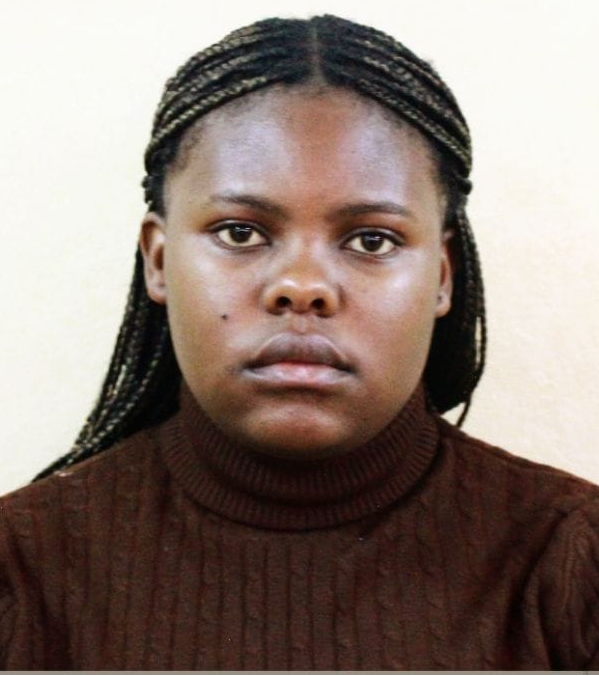
Namulinde Jean Madrine L.
Software Engineer
Namulinde Jean Madrine L.
Software Engineer
Namulinde Jean Madrine L. is a Ugandan vehicular technology engineer and industrial technologist who designs, optimizes, and digitally transforms automotive systems. She uses mechanical expertise and advanced computational methods to create data-driven, intelligent transport and mobility solutions with a Certificate in Mechanical Motor Vehicle Engineering and BSc in Computer Science.
She develops embedded vehicular systems, real-time vehicle diagnostics, and predictive maintenance using sensor data and machine learning models. Namulinde integrates IoV technologies for smart fleet management and traffic optimization in urban and rural areas. Her innovations aim to improve Uganda's transport infrastructure's safety, fuel efficiency, and mechanical reliability. She optimises vehicular performance and provides sustainable transport solutions using data analytics, telematics, and intelligent edge computing as a forward-thinking engineer.
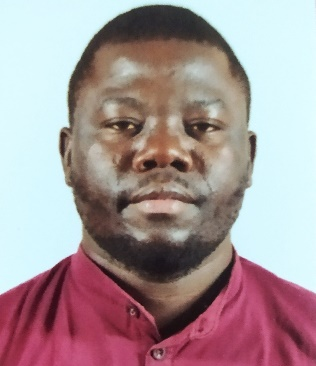
Owor Wilbroad
Cloud Engineer
Owor Wilbroad
Cloud Engineer
Owor Wilbroad is a Cloud and MLOps Engineer with a Bachelor's degree in Information Technology and Computing from Kyambogo University and an MSc in Computer Science from Makerere University. He has a strong academic and technical background in artificial intelligence.
NLP, Data Science, ML, and Computer Vision are his research and engineering areas. He integrated scalable cloud infrastructures with end-to-end machine learning pipelines for research and production in several AI-driven projects. Owor deploys and automates ML workflows using Docker, Kubernetes, TensorFlow Serving, and CI/CD frameworks for model lifecycle management reproducibility and performance. Training and deploying transformer-based NLP models, building real-time computer vision pipelines, and developing low-resource cloud-native solutions are among his recent projects. He loves using machine learning for social good and bridging research and industry with scalable, cloud-based AI systems.
Capacity Building Team Members
Strengthening inclusive communication through experienced sign language interpretation and institutional support.
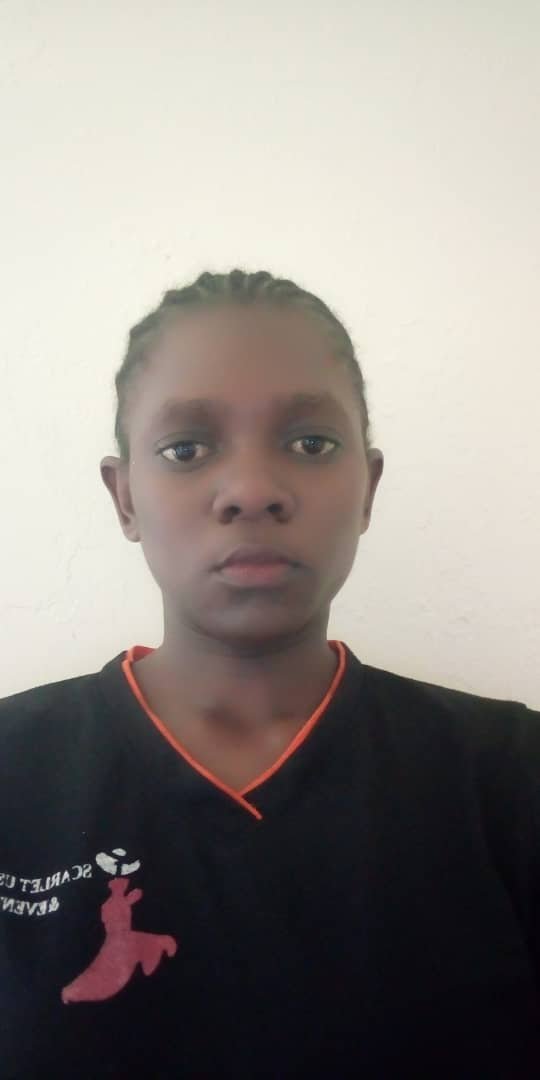
Birabwa Lydia Jane
Sign Language Interpreter
Birabwa Lydia Jane
Capacity Building | Sign Language Interpreter
Birabwa Lydia Jane is a sign language interpreter holding a certificate in sign language interpretation and a diploma in accounting from Buganda Royal Institute.
She has worked with UNEB in examinations for 7 years and has supported universities such as Kyambogo and Makerere in sign language interpretation. She brings strong experience in both voicing and signing.
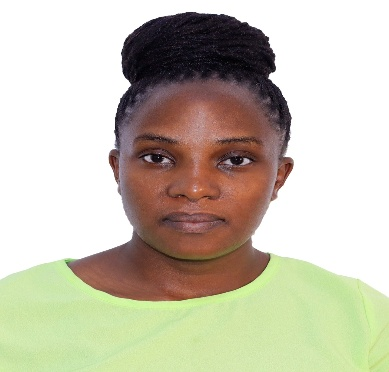
Tusiime Emily Queen
Software Developer
Tusiime Emily Queen
Capacity Building | Software Developer
Tusiime Emily Queen is a Computer Science finalist with a UNISA diploma in IT, combining software development expertise with strong technology leadership.
She is the founder and team lead of BN Private Beach & Resort, a Refactory Uganda Accelerated Software Development graduate, and was recognized among Hipipo's Top 40 Women Leaders Under 40 in 2024 for her fintech contributions.
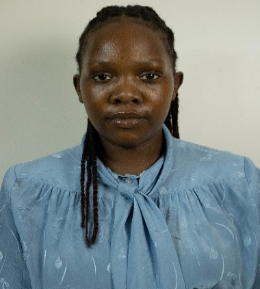
Masagazi Ruth
Developer and AI Researcher
Masagazi Ruth
Capacity Building | Developer and AI Researcher
Masagazi Ruth is a Makerere University Computer Science student specializing in machine learning, AI, and software engineering.
She builds predictive models, websites, and mobile applications using tools including Python, JavaScript, React, Flutter, Node.js, and Next.js, with a long-term focus on impactful assistive technologies and data science.
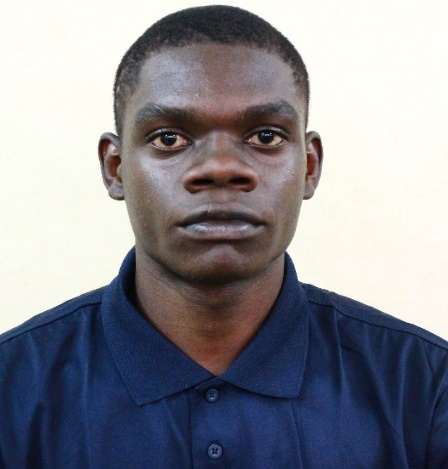
Ofwono John Paul
Software Developer and ML Practitioner
Ofwono John Paul
Capacity Building | Software Developer and ML Practitioner
Ofwono John Paul is a Makerere University Computer Science student focused on software development and intelligent systems, with additional training through a Machine Learning diploma completed in 2025.
He works across Java, Python, Django, Flutter, and React, and is particularly interested in deploying ML models, time-series analysis, and building high-impact assistive digital tools.
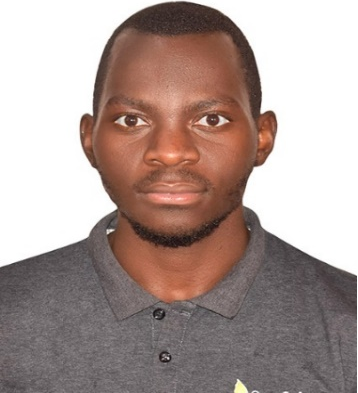
Kisirinya Sirajje
Software Developer
Kisirinya Sirajje
Capacity Building | Software Developer
Kisirinya Sirajje is a Makerere University Computer Science student specializing in software development and AI, with professional experience as a software developer at Chordify India.
His toolkit spans React.js, Next.js, Django, Flutter, React Native, Arduino, Python, JavaScript, Dart, and C#, supporting his work on scalable, innovation-driven assistive technologies.
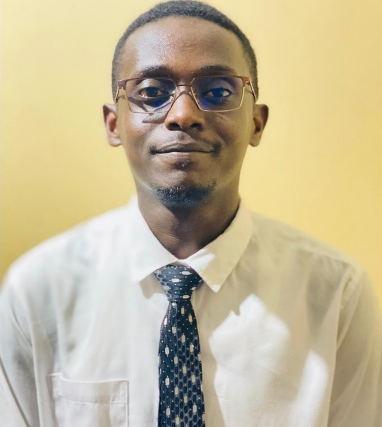
Kashara Alvin Ssali
Software Engineer and ML Research Scientist
Kashara Alvin Ssali
Capacity Building | Software Engineer and ML Research Scientist
Kashara Alvin Ssali is a software engineer and Machine Learning Research Scientist at Makerere University, where he is pursuing a Bachelor of Science in Computer Science and also holds a diploma in Machine Learning.
His projects include whitefly pest counting with computer vision, fake currency detection, and predictive modeling for bean leaf diseases, all reflecting his focus on practical assistive technologies in resource-constrained settings.
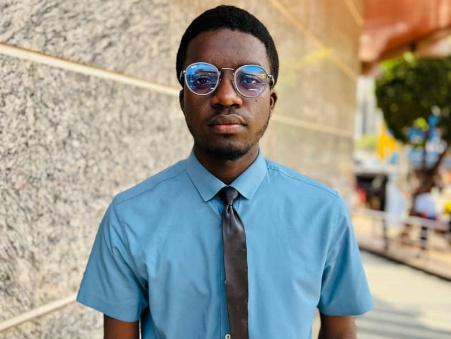
Kabogere Salimu
Systems Developer and Software Engineer
Kabogere Salimu
Capacity Building | Systems Developer and Software Engineer
Kabogere Salimu is a systems developer and software engineer at AIBOS Uganda, and an undergraduate Computer Science student at Makerere University with prior experience at Equity Bank Uganda.
He works across backend development, system infrastructure, DevOps, cloud services, and AI integration, combining academic training with industry experience to support assistive technology innovation.
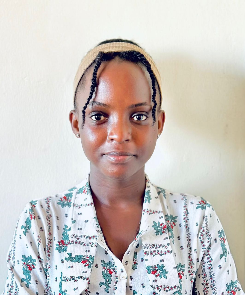
Jovia Joyce
Computer Science Student
Jovia Joyce
Capacity Building | Computer Science Student
Jovia Joyce is a Computer Science student at Makerere University with a strong interest in networking, artificial intelligence, software development, and system architecture.
She is especially motivated by designing scalable and impactful digital assistive technology solutions, while continuing to build her expertise in machine learning and intelligent systems.
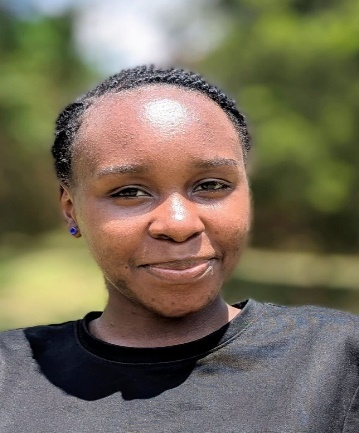
Naomi Munezero
AI and ML Student Researcher
Naomi Munezero
Capacity Building | AI and ML Student Researcher
Naomi Munezero is an undergraduate Computer Science student at Makerere University with a strong interest in artificial intelligence and machine learning for real-world challenges in fragile and resource-constrained environments.
Her experience includes programming, software development, data analysis, system design, and machine learning projects such as a skin diagnosis system, with a clear goal of contributing to AI-driven assistive technologies.
Operational Governance
This Diverse Disability User Committee holds absolute veto power over the AI's design, protocols, and data practices. They define what "success" and "harm" look like, and have the authority to veto inaccessible hardware and dictate strict rules on what data should never be collected or stored to prevent surveillance.
Meet the Co-Creators in Person
The Diverse Disability User Committee meets regularly at Makerere University. Contact us to learn more about our participatory design process.